

The First Five Minutes
How to Build Psychological Safety Before the Real Conversation Begins

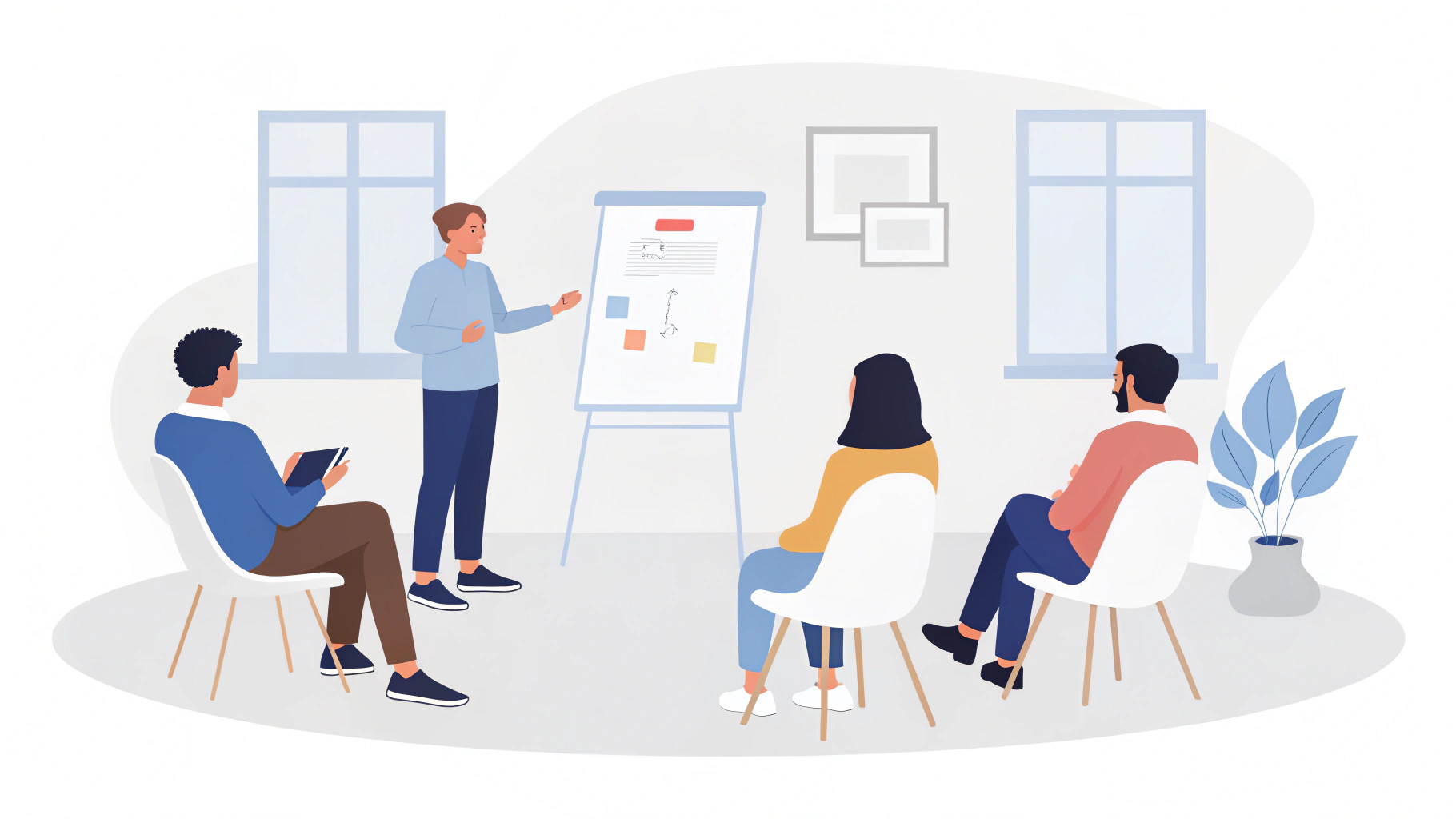
Many facilitators think psychological safety develops gradually during a session. In reality, it begins forming in the first few minutes.
If those minutes feel tense, unclear or hierarchical, people will hold back. If they feel human, structured and respectful, people will lean in.
I once facilitated a strategy workshop where the first question from a senior leader was, “Who is responsible for the failures last quarter?”
The room froze.
People became careful. Contributions became cautious. The session became polite but unproductive.
Later that day I facilitated another group with the same goal. The first question was different.
“What is one thing we learned last quarter that will make us stronger this year?”
Same organisation. Same challenge. Completely different energy.
🔹 The key takeaway.
Psychological safety is not built with a speech about openness. It is built through small design choices that signal respect and curiosity from the start.
Here are three that matter most.
💡 Three Game-Changing Insights
✅ 1. Start with a question everyone can answer
The first contribution sets the tone for everything that follows.
If the opening question is complex, political or risky, people hesitate. They start calculating the safest response rather than the most honest one.
Instead, begin with a question that invites reflection but carries low risk.
For example:
• “What is one thing you hope we achieve today?”
• “What has been working well recently?”
• “What is one opportunity you see for this team?”
Everyone can answer these questions. No one feels exposed.
More importantly, everyone speaks early. The moment someone has spoken once, it becomes easier to speak again.
Participation grows through momentum.
✅ 2. Show that listening matters
People watch how the facilitator responds to the first few contributions.
If comments are ignored, corrected too quickly, or brushed aside, psychological safety drops.
Your role is to make contributions visible.
Simple techniques work well:
• Paraphrase key points.
• Write ideas on a shared board or flipchart.
• Acknowledge the value of different perspectives.
For example:
“That is an interesting angle. Let me capture that.”
When people see their thoughts recorded, they feel that their input has weight.
Common mistake to avoid.
Jumping straight to evaluation.
If the facilitator responds with “Yes, but…” too early, people begin filtering what they say. Curiosity should come before critique.
✅ 3. Model the behaviour you want to see
Facilitators shape culture through behaviour more than instructions.
If you want openness, show openness. If you want curiosity, demonstrate curiosity.
This might mean acknowledging uncertainty.
For example:
“We may discover perspectives today that challenge our assumptions. That is part of good thinking.”
Or inviting multiple viewpoints.
“Who sees this differently?”
A real example from a leadership session illustrates this well.
During a discussion about organisational change, a junior participant hesitated before sharing a concern. The room went quiet.
Instead of moving on, I said:
“Thank you for raising that. It is useful to hear concerns early so we can address them.”
That brief response changed the dynamic. Others began speaking more freely. The conversation became more honest and productive.
Psychological safety often grows from moments like this.
The Deeper Principle
People contribute when they believe three things:
Their voice will be heard.
Their perspective is valued.
Their contribution will not be punished.
Your session design either reinforces or weakens those beliefs.
Structure, tone and curiosity all play a role.
When psychological safety is present, creativity increases. Problems are surfaced earlier. Decisions become stronger.
When it is absent, the opposite happens. Silence replaces insight.
Facilitation is not just about managing conversation. It is about shaping the environment where good thinking can happen.
And that environment begins in the first five minutes.
🔑 Go Deeper – Exclusive for Premium Members
👀 Want the full facilitation toolkit, templates and deeper insights?
🔥 This week’s premium subscribers get:
Advanced Tactic. The Psychological Safety Warm-Up
A practical five-minute opening sequence that helps groups feel comfortable speaking from the start.
Exclusive Download. How to Build Psychological Safety Before the Real Conversation Begins
A ready-to-use collection of opening prompts for workshops, team meetings and any dialogue-heavy session.
💡 Upgrade now to unlock it all → UPGRADE
🗨️ What’s Your Take?
What is the biggest challenge you face when trying to encourage open conversation in a session?
Have you ever seen a workshop where people clearly did not feel safe to speak? What made the difference when things improved? Let’s talk in the comments. 🚀
📢 Quick Community Update
📅 Upcoming Event – One Space. One Link. One Perspective: The Future of Facilitation with Digital Intelligence
In this Facilitator’s Café gathering, we’ll explore the practical intersection between AI and facilitation practice. Not through hype or speculation, but through real examples and open conversation.
→ GRAB YOUR SEAT
📌 Facilitator’s Tip of the Week
If people speak within the first five minutes, they are far more likely to speak again later in the session.