

When Silence Isn’t Resistance
How to draw out reluctant participants without putting them on the spot

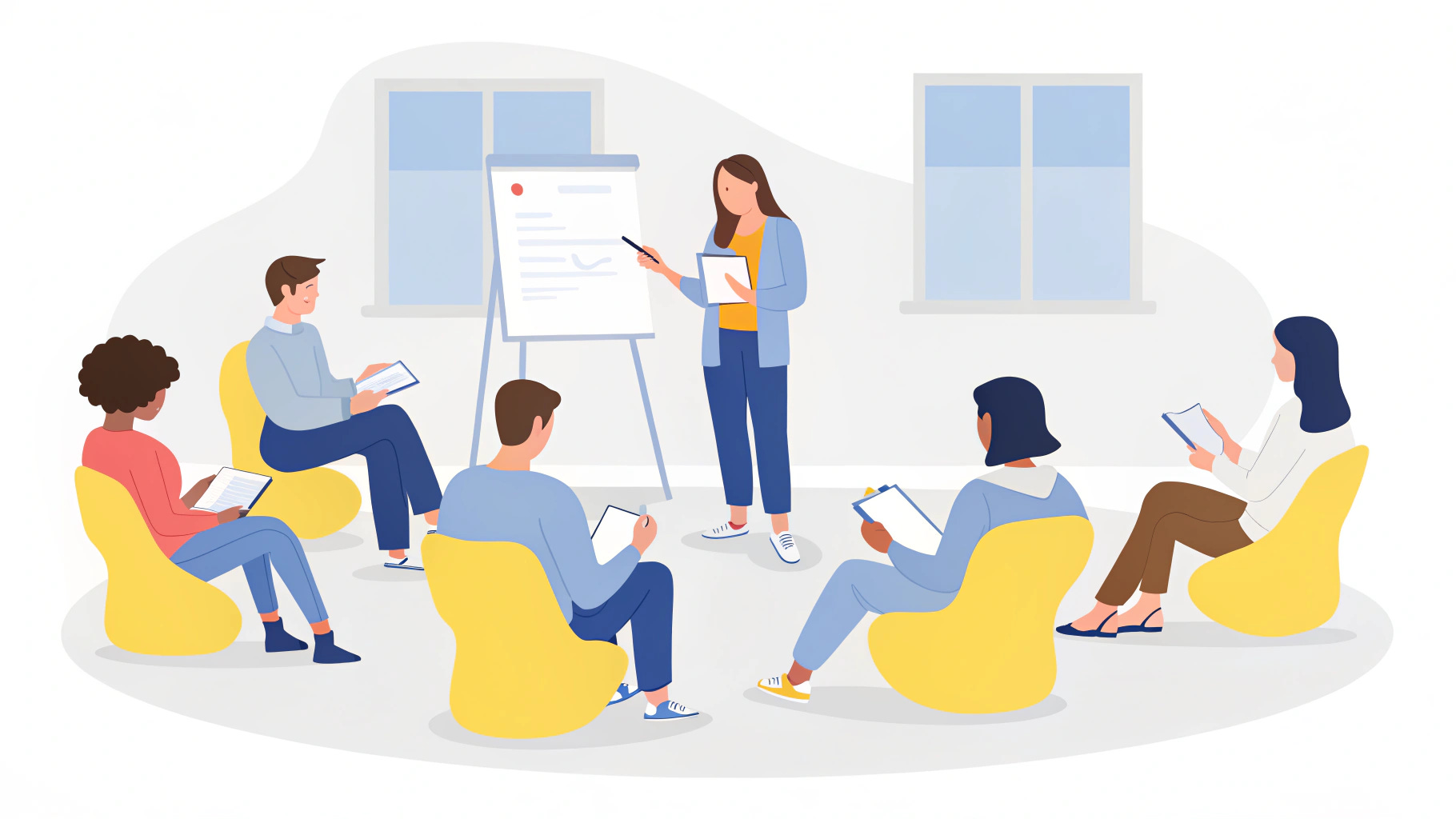
Reluctance is rarely about unwillingness. More often, it is about uncertainty, safety, timing, or cognitive load. When facilitators stop treating quietness as a problem to fix and start seeing it as information, the entire dynamic of a session shifts.
I once facilitated a leadership session where one participant said nothing for nearly two hours. No nodding. No visible reactions. Nothing. Many facilitators would assume disengagement.
Then, near the end, she calmly summarised the conversation with more clarity than anyone else in the room.
Afterwards, she told me, “I speak when I’ve fully formed my thinking. Earlier would have been noise.”
That moment reshaped how I interpret silence.
Engagement does not begin with speaking. It begins with safety and thinking time. If you design for both, participation follows naturally.
💡 Three Game-Changing Insights
✅ 1. Stop equating quiet with disengaged
Silence often signals processing, not withdrawal. Some people think internally before they speak. Others are gauging the group climate. Some are deciding whether their contribution will be valued.
Why it matters.
When facilitators rush to fill silence, they accidentally reward the fastest thinkers rather than the deepest ones.
How to apply it.
Build intentional pauses into your design.
Try saying:
“Let’s take 45 seconds to gather our thoughts before we respond.”
It will feel longer to you than to the group. Let it breathe.
Real-world shift:
In strategy sessions, silent reflection before discussion consistently produces more original ideas than open-floor brainstorming.
Quiet is not empty. It is generative.
✅ 2. Make participation easier than avoidance
If contributing feels risky or effortful, many people simply opt out. Your job is to lower the participation threshold.
Use what I call graduated participation. Start small, then scale up.
For example:
• Private note-taking
• Chat responses or sticky notes
• Pairs
• Small groups
• Whole room
By the time you reach plenary discussion, most participants have already “entered the water”.
Common mistake to avoid:
Asking big, open questions too early.
“What does everyone think?” can feel like being handed a microphone on a stage.
Instead try:
“Write one sentence.”
or
“What is one word that captures your reaction?”
Small entry points create momentum.
✅ 3. Invite. Never spotlight.
Nothing shuts down a reluctant participant faster than unexpected public attention.
Avoid the classic:
“Sam, we haven’t heard from you yet.”
Even when well-intended, it can feel exposing.
Instead, widen the invitation.
Try:
“I’d like to hear from a few voices we haven’t heard yet.”
Pause. Look around warmly. Let people step forward.
Advanced facilitator mindset:
Your role is not to extract participation. It is to create conditions where people choose to participate.
A powerful technique is to acknowledge thinking styles upfront:
“Some people think by talking. Others think by reflecting first. Both are welcome here.”
Watch the shoulders drop across the room.
Psychological safety often grows from simple permission.
Bonus example:
During a cross-cultural programme, participants from several regions were noticeably quieter than their Western counterparts. Rather than pushing for airtime, I introduced round-table sharing with optional pass language:
“Share if you wish. You can always pass and come back later.”
No one passed. The structure provided dignity and control.
Within an hour, the conversation was one of the richest I had seen.
Safety unlocks voice.
🔑 Go Deeper – Exclusive for Premium Members
👀 Want the full facilitation toolkit, templates, and deeper insights?
🔥 This week, premium subscribers get:
Advanced Tactic. The Gentle Entry Sequence
A practical five-step method that helps even the most reserved participants contribute comfortably within the first 15 minutes of any session.
Exclusive Download: Master the Power of Strategic Silence
Discover 12 expert strategies to create purposeful pauses, elevate your conversations, and project genuine confidence. Learn when to hold space, when to resist the urge to step in, and how silence can deepen thinking rather than create discomfort.
💡 Upgrade now to unlock it all → UPGRADE
🗨️ What’s Your Take?
What’s your biggest facilitation challenge right now? Hit reply and let me know. I read every response.
Have you ever mistaken quietness for disengagement? What changed your perspective? Let’s talk in the comments. 🚀
📢 Quick Community Update
📅 Upcoming Event – One Space. One Link. One Perspective: The Future of Facilitation with Digital Intelligence
Explore how digital intelligence is reshaping facilitation, from session design to real-time decision making. A must for facilitators who want to stay ahead.
→ GRAB YOUR SEAT
📌 Facilitator’s Tip of the Week
If you want better participation, slow the start.
Thinking time is not lost time.
It is where better contributions are formed.